In today’s competitive business environment, productivity is influenced by much more than technology, management, and employee skills. The physical workplace also plays a significant role in how people think, communicate, collaborate, and perform.
A thoughtfully planned modern office interior design can transform an ordinary workplace into an environment that supports concentration, creativity, communication, and employee well-being. From natural lighting and ergonomic furniture to collaborative spaces and smart layouts, every design element can contribute to a more productive office.
So, how exactly does office interior design affect productivity? Let’s explore.
1. A Well-Planned Layout Reduces Distractions
Office layout has a direct impact on how employees use their time and space. A poorly planned workplace can create unnecessary noise, interruptions, congestion, and difficulty accessing essential resources.
Modern office interior design focuses on creating a balance between open and private areas. Employees can have access to collaborative zones when they need to work together while still having quiet spaces for tasks that require deep concentration.
Strategic zoning can include:
- Open workstations for teamwork
- Private cabins for focused work
- Meeting rooms for discussions
- Quiet zones for uninterrupted tasks
- Informal seating areas for quick conversations
- Breakout spaces for relaxation and brainstorming
A well-organized layout allows employees to move through their workday more efficiently while minimizing unnecessary interruptions.
2. Natural Light Improves the Workplace Experience
Lighting is one of the most important elements of an effective office environment. Dark, poorly lit workspaces can feel uncomfortable and may make employees feel tired or less engaged.
Whenever possible, modern office design incorporates natural light through large windows, glass partitions, skylights, and thoughtfully positioned workstations.
Natural light can help create a brighter, more welcoming atmosphere and support employees’ overall workplace experience. When natural lighting is limited, high-quality artificial lighting can be used to create comfortable illumination without excessive glare.
The goal is simple: make the workspace visually comfortable so employees can remain focused throughout the day.
3. Ergonomic Furniture Supports Employee Comfort
Employees spend a large portion of their working day sitting, standing, typing, or looking at screens. Consequently, furniture should be designed around human comfort rather than simply aesthetics.
Ergonomic office furniture can support better posture and reduce physical discomfort associated with prolonged desk work.
Modern offices may incorporate:
- Adjustable office chairs
- Height-adjustable desks
- Monitor stands
- Ergonomic keyboards and accessories
- Flexible workstation configurations
- Comfortable collaborative seating
When employees are physically comfortable, they can concentrate more effectively on their responsibilities rather than constantly adjusting their workspace.
4. Flexible Spaces Encourage Better Collaboration
Modern businesses increasingly require employees to collaborate across teams and departments. A traditional office with rigid workspaces may not adequately support different working styles.
Flexible office interiors provide spaces that can adapt to different activities.
For example, a single area might be used for a team meeting in the morning, a brainstorming session in the afternoon, and informal discussions later in the day.
Movable furniture, modular partitions, writable walls, flexible seating, and multipurpose meeting spaces can make an office more adaptable.
This flexibility helps businesses create workplaces that support both individual productivity and teamwork.
5. Acoustic Design Helps Employees Concentrate
Noise is one of the most common distractions in open-plan offices. Conversations, phone calls, equipment, and movement can make it difficult for employees to focus.
This is why acoustic design has become an important part of modern office interiors.
Design solutions can include:
- Acoustic wall panels
- Sound-absorbing ceilings
- Carpets and soft furnishings
- Acoustic partitions
- Enclosed meeting rooms
- Dedicated quiet zones
Instead of eliminating open spaces completely, the objective is to control sound and provide employees with different environments depending on the task they are performing.
6. Biophilic Design Can Create a More Positive Environment
Bringing elements of nature into the workplace is another growing trend in modern office interior design.
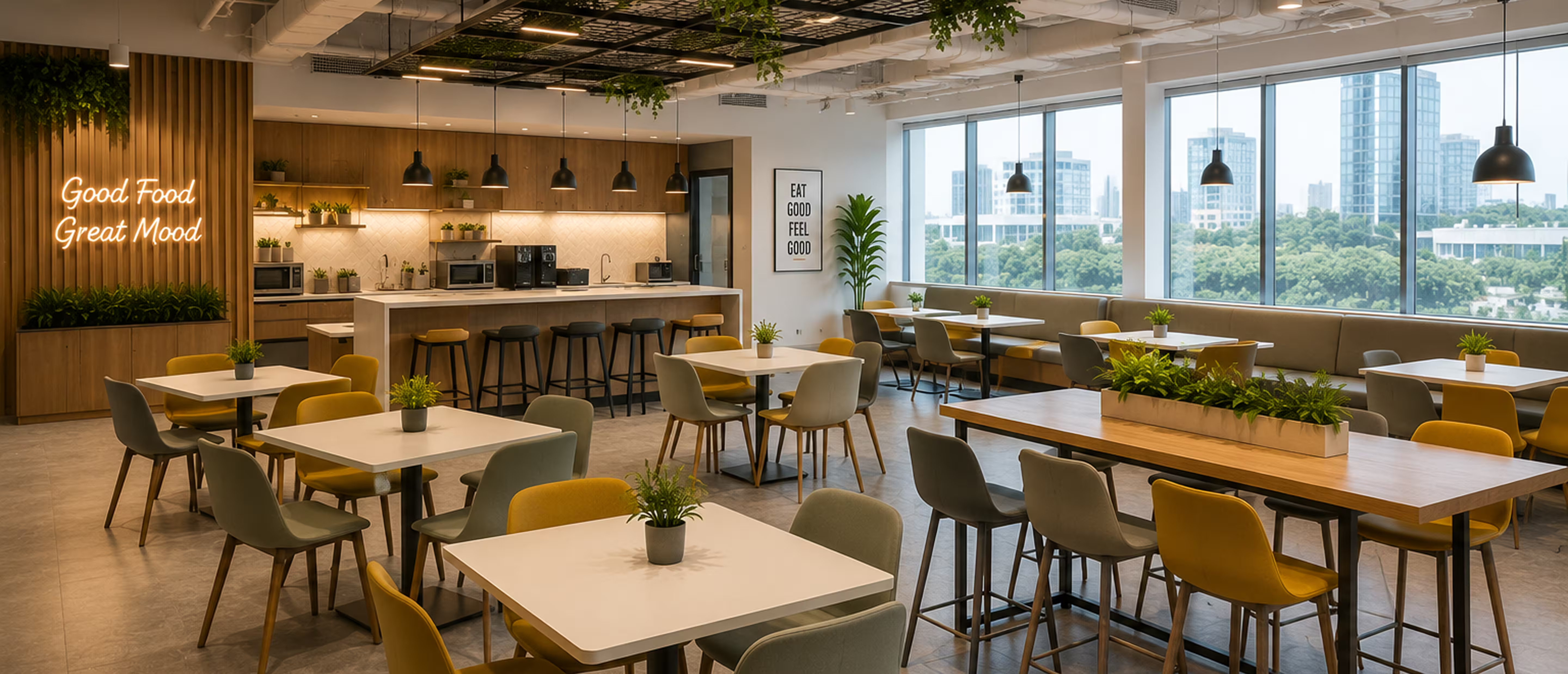
Biophilic office design can incorporate plants, natural materials, greenery, natural textures, water-inspired elements, and views of the outdoors.
Plants can add visual interest while making an office feel more welcoming and less sterile. Natural materials such as wood and stone can also contribute to a warmer workplace aesthetic.
The result is an environment that feels more connected to nature and more comfortable for employees.
7. Color Psychology Can Influence Workplace Atmosphere
Color is more than a decorative choice. Different colors can influence the overall mood and character of a space.
For example, neutral shades can create a professional and calm backdrop, while carefully selected accent colors can add energy and visual interest.
A modern office might use:
- Soft neutrals in focused work areas
- Blue tones in spaces intended to feel calm
- Green-inspired shades in wellness or relaxation areas
- Brighter accents in creative and collaborative zones
The key is to use color strategically rather than overwhelming the workplace with too many competing shades.
8. Technology Integration Makes Work More Efficient
Technology is at the heart of most modern businesses, so office interiors need to accommodate it seamlessly.
A productive workplace should make it easy for employees to connect devices, attend virtual meetings, collaborate digitally, and access power when needed.
Modern office design can integrate:
- Easily accessible power outlets
- USB charging points
- Video conferencing systems
- Smart meeting rooms
- Wireless connectivity
- Cable management solutions
- Digital room-booking systems
When technology is properly integrated into the design, employees spend less time dealing with avoidable technical inconveniences.
9. Dedicated Wellness Areas Support Employee Well-Being
Productivity should not come at the expense of employee well-being. Modern workplaces increasingly include areas where employees can take short breaks, recharge, or interact informally with colleagues.
Wellness-oriented spaces might include:
- Relaxation lounges
- Pantry and café areas
- Recreation zones
- Outdoor seating
- Meditation or quiet rooms
- Comfortable breakout spaces
These areas provide employees with opportunities to step away from demanding tasks and return to work feeling refreshed.
10. A Strong Office Identity Can Increase Engagement
An office is also an expression of a company’s identity.
Thoughtful branding through colors, materials, graphics, signage, artwork, and architectural details can help create a workplace that employees feel connected to.
A well-designed office can communicate a company’s:
- Values
- Culture
- Brand personality
- Professional standards
- Approach to innovation
When employees feel that their workplace reflects the organization they belong to, the office can become more than just a place to work—it can become a space that reinforces company culture.
11. Decluttered Spaces Improve Workplace Efficiency
Clutter can make a workplace feel chaotic and make it harder to find important items. Modern office design therefore places considerable emphasis on smart storage and organization.
Built-in cabinets, concealed storage, organized workstations, digital document systems, and designated storage areas can help maintain a cleaner environment.
A clutter-free office doesn’t necessarily mean an empty office. Instead, it means giving everything a logical place while keeping frequently used resources accessible.
12. Personalization Supports Different Working Styles
Not every employee works in exactly the same way. Some people prefer quiet environments, while others perform better through collaboration and interaction.
A modern office can accommodate these differences by offering a variety of work settings.
Employees may choose between:
- Individual desks
- Private rooms
- Standing workstations
- Collaborative tables
- Informal lounges
- Focus booths
- Outdoor work areas
This approach creates a workplace that supports different tasks and working preferences instead of forcing everyone into one environment.
The Connection Between Office Design and Productivity
The best office interior design does not focus solely on appearance. It considers how employees actually use the workplace.
A productive office combines functionality, comfort, aesthetics, technology, and flexibility. When these elements work together, employees can move between focused work, collaboration, meetings, and breaks more naturally.
For businesses, this can translate into a workplace that supports better communication, employee satisfaction, efficient use of space, and a stronger organizational culture.
How to Create a Productivity-Focused Office
If you’re planning an office renovation or a new workspace, consider the following steps:
Understand How Your Team Works
Before selecting furniture or finishes, analyze how employees use the current office. Identify common problems such as noise, insufficient meeting rooms, lack of privacy, or inadequate storage.
Create Different Work Zones
Instead of designing one type of workspace for everyone, create areas for concentration, collaboration, meetings, informal interaction, and relaxation.
Prioritize Ergonomics
Choose furniture and workstation arrangements that support employee comfort and healthy working habits.
Maximize Natural Light
Use the available daylight effectively and avoid unnecessarily blocking windows with solid partitions or poorly positioned furniture.
Manage Noise
Incorporate acoustic materials and dedicated quiet areas to help employees focus.
Integrate Technology
Plan power, connectivity, video conferencing, lighting controls, and other technology requirements during the design stage.
Design for the Future
Business needs change. Flexible furniture and adaptable spaces make it easier for companies to modify their workplace as teams and working styles evolve.
Final Thoughts
Modern office interior design is not simply about creating a visually attractive workplace. It is about designing an environment where people can work comfortably, efficiently, and creatively.
From ergonomic furniture and natural lighting to flexible layouts, acoustic solutions, technology integration, and biophilic elements, every design decision can influence the way employees experience their workplace.
A thoughtfully designed office can support productivity while also strengthening employee well-being and company culture. For businesses looking to create a future-ready workplace, investing in strategic office interior design can be an important step toward building a more effective and engaging work environment.
Frequently Asked Questions
1. How does office interior design affect productivity?
Office interior design can influence productivity by improving lighting, comfort, acoustics, space organization, collaboration, and access to appropriate work environments.
2. What is modern office interior design?
Modern office interior design combines functionality, flexibility, technology, ergonomics, and contemporary aesthetics to create a workplace suited to today’s business needs.
3. What are the most important elements of a productive office?
Key elements include good lighting, ergonomic furniture, effective space planning, acoustic control, comfortable temperatures, technology integration, flexible work areas, and wellness spaces.
4. Can office design improve employee well-being?
Yes. Features such as natural light, comfortable furniture, greenery, quiet areas, break spaces, and thoughtful layouts can contribute to a more comfortable workplace experience.
5. Why is flexibility important in modern office design?
Flexible spaces can accommodate different activities and working styles, allowing employees to move between focused work, collaboration, meetings, and informal interaction as needed.
Primary SEO Keyword: Modern Office Interior Design
Secondary Keywords:
- Office Interior Design
- Modern Office Design
- Office Design for Productivity
- Productive Workplace Design
- Workplace Interior Design
- Ergonomic Office Design
- Office Space Planning
- Biophilic Office Design
- Corporate Office Interior Design
- Office Interior Design Ideas
Why Choose InnoWork?
At InnoWork, we transform conventional corporate offices into high-performance environment hubs. From precision Space Planning to custom Ergonomic Furniture setups, Turnkey Solutions, and smart Technology Integration, our expert designers craft future-ready workspaces aligned directly with your growth ambitions.